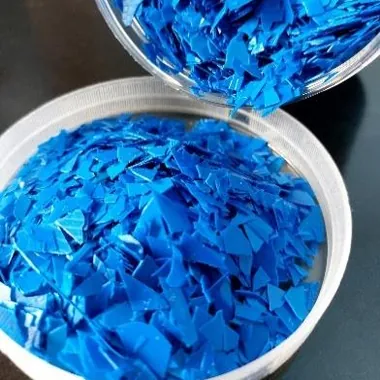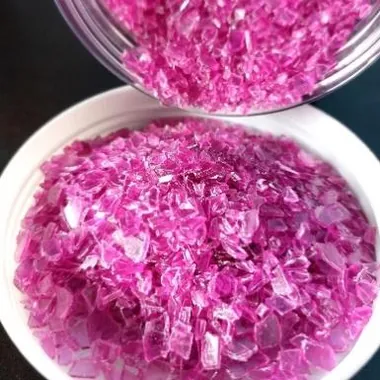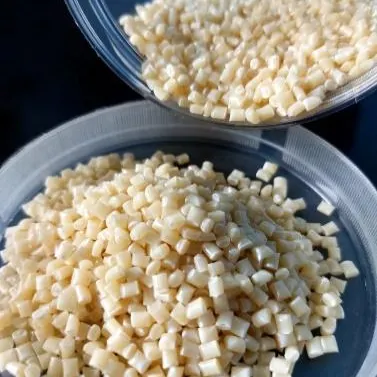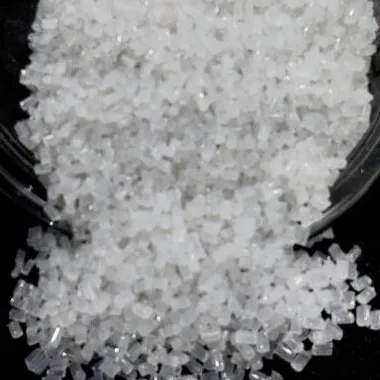
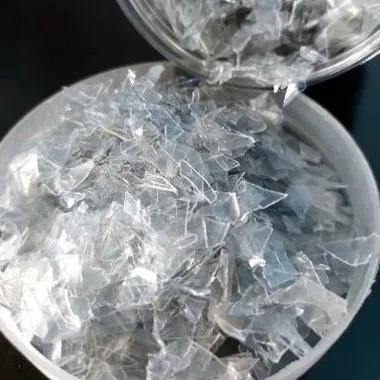
PET (polyethylene terephthalate) is the plastic used for drink bottles and many other clear packages. After use, PET bottles and production scrap can be crushed into pieces known as PET flakes or PET granule, then turned into fiber, strapping, sheet, and other products.
Two bags of PET flakes can look alike yet behave very differently in your machine. This article explains what matters most for recycled PET quality, and what to ask before you buy.
What are PET flakes?
PET flakes are pieces of PET produced by a crushing machine. The material is sorted and crushed until it passes through a screen, ready to use as raw material. At this stage the PET has not been melted, so its properties depend heavily on the source material and how well it was sorted. We cover the general difference between granule and pellet in Recycled Plastic Granule vs Pellet.
Intrinsic viscosity (IV): the key number for PET
Intrinsic viscosity (IV) reflects the chain length of the PET polymer. A higher IV generally means a more viscous melt and a stronger product, so each application needs a different IV range. Commonly cited ranges for PET (in dL/g):
| Application | Typical IV range |
|---|---|
| Textile fibers | 0.40–0.70 |
| Technical fibers (e.g. tire cord) | 0.72–0.98 |
| BOPET film | 0.60–0.70 |
| Sheet for thermoforming | 0.70–1.00 |
| General-purpose bottles | 0.70–0.78 |
| Carbonated drink bottles | 0.78–0.85 |
| Monofilaments and engineering plastics | 1.00–2.00 |
These figures are a general guide for PET, not the specification of a particular product. Keep in mind:
- The IV of recycled PET can drop each time the material is melted and heated. Large recycling plants can raise IV again through solid-state polycondensation (SSP), but ordinary crushed flakes do not go through this step.
- Ask for the test method. The PET flake specification template from Plastics Recyclers Europe refers to ISO 1628-5 for IV. Values from different methods are not always directly comparable.
Moisture and drying
PET is hygroscopic: it absorbs moisture from the air, and that moisture diffuses into the material rather than staying on the surface. If PET is melted while wet, hydrolysis breaks the polymer chains. The IV drops, the process becomes harder to control, and the product turns brittle.
This matters even more for recycled PET. According to a 2015 Gneuss technical report, PET bottle flakes can contain 1% moisture or more, and pre-drying largely determines the IV of the end product.
As a reference, a PET resin data sheet from Alpek Polyester recommends:
- a dehumidifying dryer with an air dew point of –40 °C or lower;
- a residence time in the dryer of at least 4 hours, preferably 6 hours;
- a material temperature of about 149–166 °C at the dryer exit, with inlet air no hotter than 180 °C to avoid discoloration.
That guidance was written for virgin PET pellets. Flakes vary in shape and thickness, so the right settings should follow your dryer manufacturer's guidance and your own trials. After drying, do not leave the material exposed to humid air for long.
PET flake colors
Color affects both how the material can be used and its price. The Plastics Recyclers Europe template groups PET flake colors as:
- clear, the most flexible because it suits clear products or can be recolored;
- translucent colored, such as blue, green, or mixed;
- dark mix and opaque mix, suitable for products where color is not critical.
The more uniform the color, the easier it is to keep your product's appearance consistent. If your product is dark, colored or mixed flakes are often enough.
Contaminants to watch
The same template lists PVC, polyolefin, metal, paper, wood, and other contaminants (in ppm), plus average flake size and the share of fines. Some of the most important:
- PVC. ASTM D5991 notes that even low concentrations of PVC can cause corrosion in processing equipment, and that the PVC level determines which markets the recycled PET can serve.
- Polyolefins (PP and PE). These usually come from bottle caps and labels. They do not blend with PET and can cause product defects.
- Paper, adhesive, and metal. Label residue, glue, and metal fragments can clog extruder screens or cause specks in the product.
- Fines. Plastic dust melts differently from larger flakes and can cause specks in the product, as explained in our granule vs pellet article.
Applications of recycled PET
Recycled PET (rPET) is widely used for:
- polyester fiber for clothing, carpets, and pillow fill (fiberfill);
- strapping for packaging;
- non-food sheet and thermoformed packaging;
- new bottles, only for rPET processed with specific technology and requirements.
Food packaging needs special care. In Indonesia, the Ministry of Industry issued Minister of Industry Decree No. 4607 of 2025, a guideline on good production practice for recycled PET resin for food packaging, and food packaging must also meet the applicable food safety requirements. Ordinary crushed PET flakes are not automatically safe for food contact. Do not use them for food products until suitability and compliance have been confirmed.
Questions to ask your PET flake supplier
Before ordering, ask for the following. This list is based on the Plastics Recyclers Europe specification template, adapted for buyers in Indonesia:
- Source: production scrap (pre-consumer) or used bottles (post-consumer)?
- Color and how uniform it is.
- IV value and test method.
- Moisture content at delivery.
- Average flake size and share of fines.
- PVC, polyolefin, metal, paper, and other contaminant content.
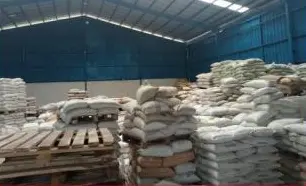
- Packaging and weight per bag.
- Can you order a sample or trial before a large order?
You do not need to demand very tight figures for everything. Focus on the parameters that truly affect your machine and product.
PET flakes at YJP
PT Yusron Jaya Plastindo processes crushed PET granule at our workshops in Cikarang Barat, Bekasi, in several colors: clear (PET KW), purple, blue, green, yellow, and red. See all options and our process videos on the PET page.
For technical data per type, availability, and sample terms, request a quote and tell us the color, application, machine, and estimated volume.
Frequently asked questions
What is intrinsic viscosity (IV) in PET?
IV is a number that reflects the chain length of the PET polymer. A higher IV generally means a more viscous melt and a stronger product. Each application needs a different IV range, so ask your supplier for the IV value and the test method used.
Do PET flakes need drying before processing?
Yes. PET absorbs moisture from the air, and water present in the melt breaks the polymer chains, lowering the IV and making the product brittle. Use a dehumidifying dryer and follow your machine or supplier guidance.
Can recycled PET flakes be used for food packaging?
Not automatically. Food packaging made from recycled PET requires a dedicated recycling process and must meet the applicable food safety requirements. Ordinary crushed granule is best used for non-food applications unless its suitability has been confirmed.
References
Sources were read on the date the article was published or updated.
- Polyethylene terephthalate: intrinsic viscosity and rPET uses, Wikipedia (accessed November 2026)(opens in a new tab)
- Alpek Polyester, CaPETall V1 Product Information: Material Drying (2025)(opens in a new tab)
- Monika Gneuss, Dryerless PET extrusion with viscosity control, plasticker (2015)(opens in a new tab)
- PolymerChar, Automated Intrinsic Viscosity Analysis in PET Production Environments(opens in a new tab)
- Plastics Recyclers Europe, Recycled PET Flakes Characteristics (specification template, 2020)(opens in a new tab)
- ASTM D5991-23, identification of PVC contamination in PET flake (catalog summary)(opens in a new tab)
- Indonesian Minister of Industry Decree No. 4607 of 2025 on good production practice for recycled PET resin for food packaging, Hukumonline (in Indonesian)(opens in a new tab)