"What is the price per kilo?" is the question almost every buyer asks first. The answer is rarely one fixed number, because recycled plastic prices move with the market and depend heavily on the specification you need. This article explains the seven main factors behind the price, so you can read quotes more accurately and plan purchases better.
1. Virgin resin prices
Recycled material competes directly with new material. Research by WRAP, a UK recycling body, found that over the long run recycled plastic prices are linked to virgin plastic prices, which in turn depend on crude oil prices and global demand. When virgin prices rise, interest in recycled material usually rises too, and vice versa.
2. The rupiah exchange rate and oil prices
Part of Indonesia's plastic raw material is still imported. According to the industry association Inaplas (Kontan, April 2024), a weaker rupiah against the US dollar raises the cost of imported raw materials, while higher crude oil prices squeeze upstream petrochemical producers. These changes flow into domestic virgin prices and then into recycled material.
3. Scrap supply and seasonal demand
Recycled material depends on the availability of plastic waste that can be processed. When scrap is plentiful, prices tend to fall; PlasticsToday, for example, reported recycled resin prices dropping in the United States when seasonal collection volumes surged. When supply is tight, prices rise.
Demand is seasonal too. Inaplas noted that plastic prices rose about 20% from Ramadan ahead of Eid in 2024 because of higher demand, and usually return to normal about two weeks after Eid.
4. Sorting, cleaning, and processing costs
Unlike virgin resin, recycled material must be collected, sorted by type and color, cleaned, and then processed. Plastics Engineering magazine (2026) describes sorting and cleaning as a very large share of total recycling cost, and not all incoming material becomes usable polymer. Material lost along the way becomes a cost as well.
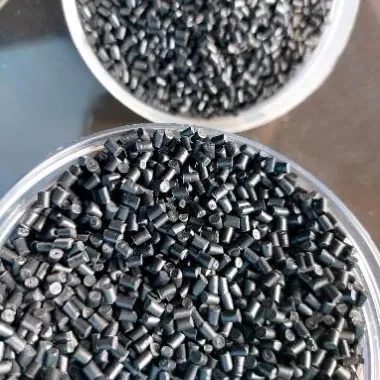
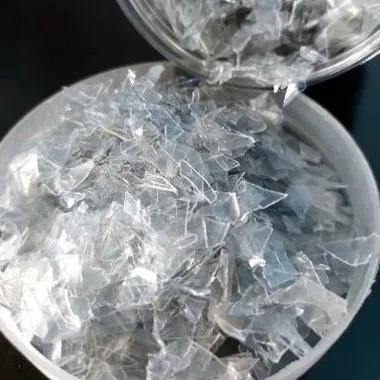
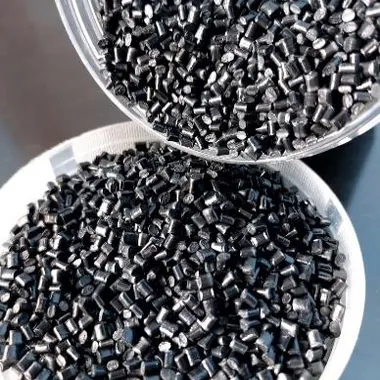
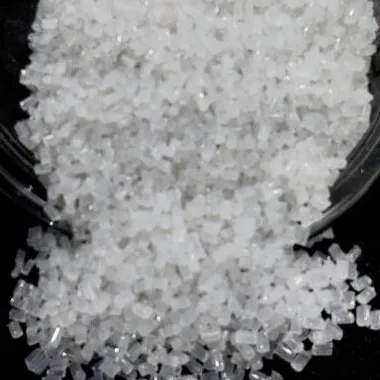
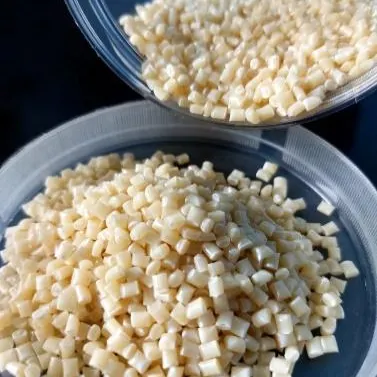
The product form matters too. Pellets go through an extra extrusion step after crushing, so their processing cost is usually higher than that of granules.
5. Resin type and color
Each resin has its own market; recycled PET, PP, ABS, or PC prices do not always move together. Color matters as well. Natural or clear material is more flexible because it can still be colored as needed, while black material often comes from mixed colors and is used for products that do not need a specific color. A more specific color requirement therefore usually affects the price.
6. Specification and quality consistency
The tighter the specification, the more sorting, testing, and control it takes. A narrow MFI range, low contamination limits, a set moisture level, or test documents for every batch all add work and cost. On the other hand, a realistic specification that fits your machine helps you get a fair price.
7. Volume, frequency, and delivery
Order size, whether you buy once or regularly, and the delivery location and method all shape the price. Check whether a quote includes delivery to your factory (franco) or is a price at the supplier's warehouse (loco). Regular needs with a clear schedule also make it easier for a supplier to plan raw material.
Tips for getting the right quote
- State the resin type, color, form (granules or pellets), and application.
- Include estimated volume, frequency, and destination city.
- Specify only what you truly need, without overdoing it.
- Ask for a sample or trial before a large order.
- Compare total cost, not just the price per kilo. More consistent material can reduce defects and machine downtime.
- For regular needs, request quotes periodically, since prices follow the market.
Why YJP does not list prices on the website
Because these factors keep changing, we quote per request so the price matches current market conditions and your specification. Choose products in our catalog, then send your requirements through the request a quote or contact page. Our team will send you an up-to-date quote.
Frequently asked questions
Why do recycled plastic pellet prices change so often?
Because they are affected by virgin resin prices, exchange rates, oil prices, scrap supply, and market demand. Always ask for the latest quote before ordering.
Are granules cheaper than pellets?
Granules usually go through fewer processing steps, so their processing cost is lower. The final price still depends on the resin, color, quality, and volume.
Is recycled material always cheaper than virgin material?
Not always. Recycled material is often the more economical choice, but the gap changes with virgin prices and processing costs. Under some conditions the gap can be very small.
References
Sources were read on the date the article was published or updated.
- Weaker rupiah makes plastic industry raw materials more expensive, Kontan (16 April 2024, Indonesian)(opens in a new tab)
- WRAP identifies factors affecting plastics and paper prices, letsrecycle.com (2008)(opens in a new tab)
- Why recycled polymers still cost more than virgin resin, Plastics Engineering (2026)(opens in a new tab)
- Summer surge sends recycled resin prices into freefall, PlasticsToday(opens in a new tab)